
We are thrilled to welcome BB Alum and Assistant Professor Dr. Sarah Clark, a transfer from OSU-Cascades, Associate Professor Dr. Myriam Cotten, from OHSU, Assistant Professor Dr. Dan Liefwalker, and from the Fred Hutch Cancer Center, Assistant Professor Dr. Maria Purice
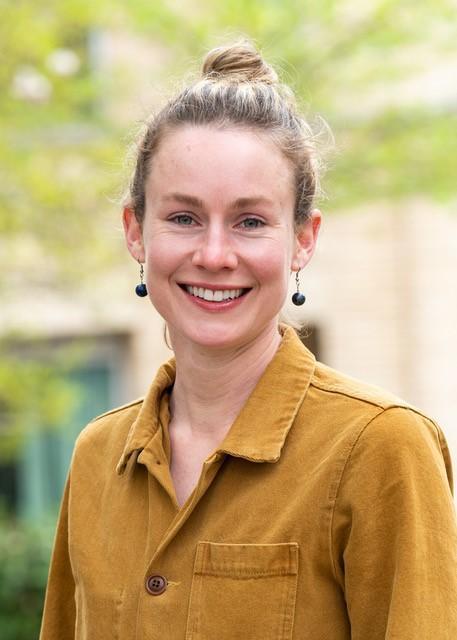
Dr. Sarah Clark returns to OSU as Assistant Professor, bringing expertise in lipid transport and sensory transduction using C. elegans.
The Department of Biochemistry & Biophysics welcomes back Assistant Professor Sarah Clark. She is an alum of our department where she obtained her Ph.D. Before returning to Oregon State University, she completed a postdoctoral position at Oregon Health & Science University.
The Clark lab studies molecular mechanisms of lipid transport and sensory transduction. Her lab uses the genetic manipulation of the nematode or small roundworm, C. elegans, to study the architecture and function of macromolecular complexes involved in these cellular processes to understand how these mechanisms affect behavior and physiology.
To understand how organisms sense and interact with their environment, the Clark lab studies the architecture and mechanism of mechanically-activated ion channels involved in touch sensation. They apply techniques such as cryo-electron microscopy (cryo-EM), fluorescence microscopy, TIRF microscopy, and patch-clamp electrophysiology to C. elegans.
To understand how lipids synthesized in the endoplasmic reticulum (ER) move to different organelles, the Clark lab studies non-vesicular lipid trafficking carried out by large macromolecular protein complexes that form a bridge between membranes. Her lab uses cryo-EM and other biophysical and biochemical techniques to determine the architecture of lipid transport protein complexes, thus elucidating the mechanism of lipid transport.
In recent work, Clark and her team recently determined the structure of the native LPD-3 BLTP complex isolated from C. elegans using cryo-electron microscopy. LPD-3 folds into an elongated, rod-shaped tunnel filled with ordered lipid molecules. The LPD-3 complex includes two previously uncharacterized proteins, named "Intake" and "Spigot". Spigot is widely conserved across the animal kingdom and is predicted to be an ER-resident protein. The human ortholog of Spigot, C1orf43, regulates phagocytosis. Molecular dynamics simulations suggest how the native LPD-3 complex mediates bulk lipid transport.
Clark is excited to educate, mentor and train the next generation of scientists at OSU.
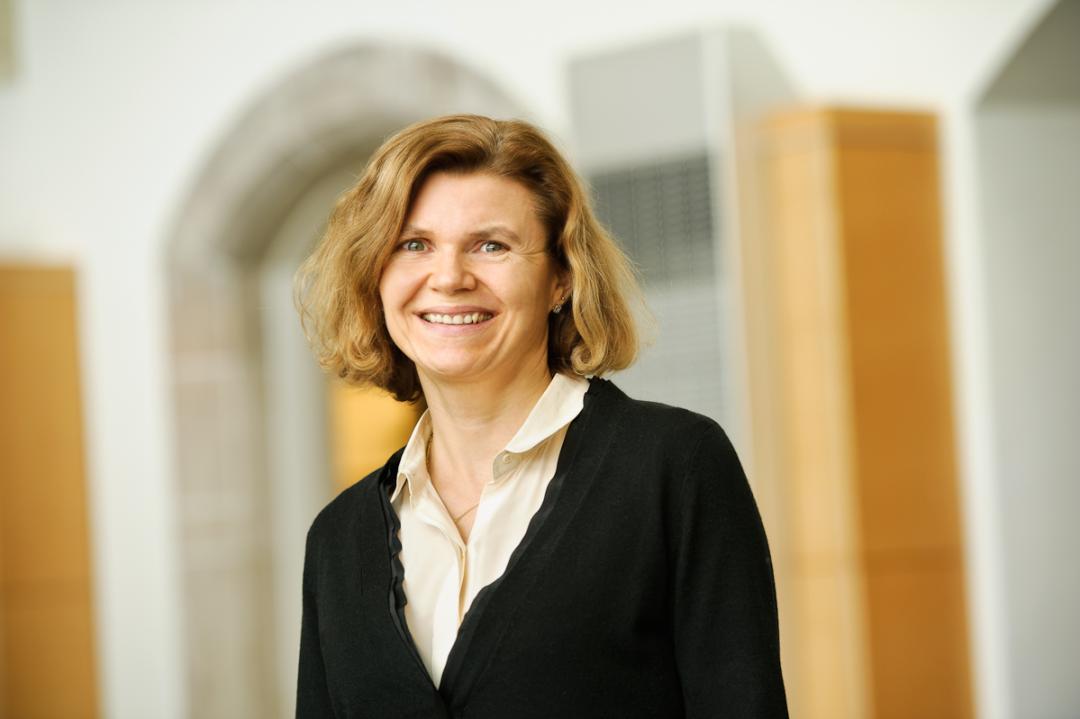
Dr. Myriam Cotten's Lab investigates how proteins and peptides interact with lipids to drive host defense and molecular delivery. Using advanced biophysical tools, they aim to design innovative strategies with therapeutic potential.
The Cotten Lab explores how proteins and peptides interact with lipids to support host defense and enable molecular delivery. Their work centers on systems such as host defense peptides, cell-penetrating peptides, and lipid-transfer proteins.
The team aims to uncover how structure, dynamics, and activity are connected by using advanced biophysical and biochemical tools, including nuclear magnetic resonance (NMR), circular dichroism, calorimetry, surface plasmon resonance, and live-cell assays. These approaches help us design improved analogs through biomolecular engineering.
Their current projects focus on three key areas: synergistic effects, combining peptides with agents like glycolipids to enhance antimicrobial, antiviral, and anticancer activity; membrane crossing and lipid transport understanding how peptides deliver molecules directly into cells and how lipid-transfer proteins move lipids across membranes; and high-field NMR insights, revealing how the physical and chemical properties of membranes influence their biological roles.
Through this work, the Cotten Lab is advancing fundamental knowledge and developing strategies with potential therapeutic impact.
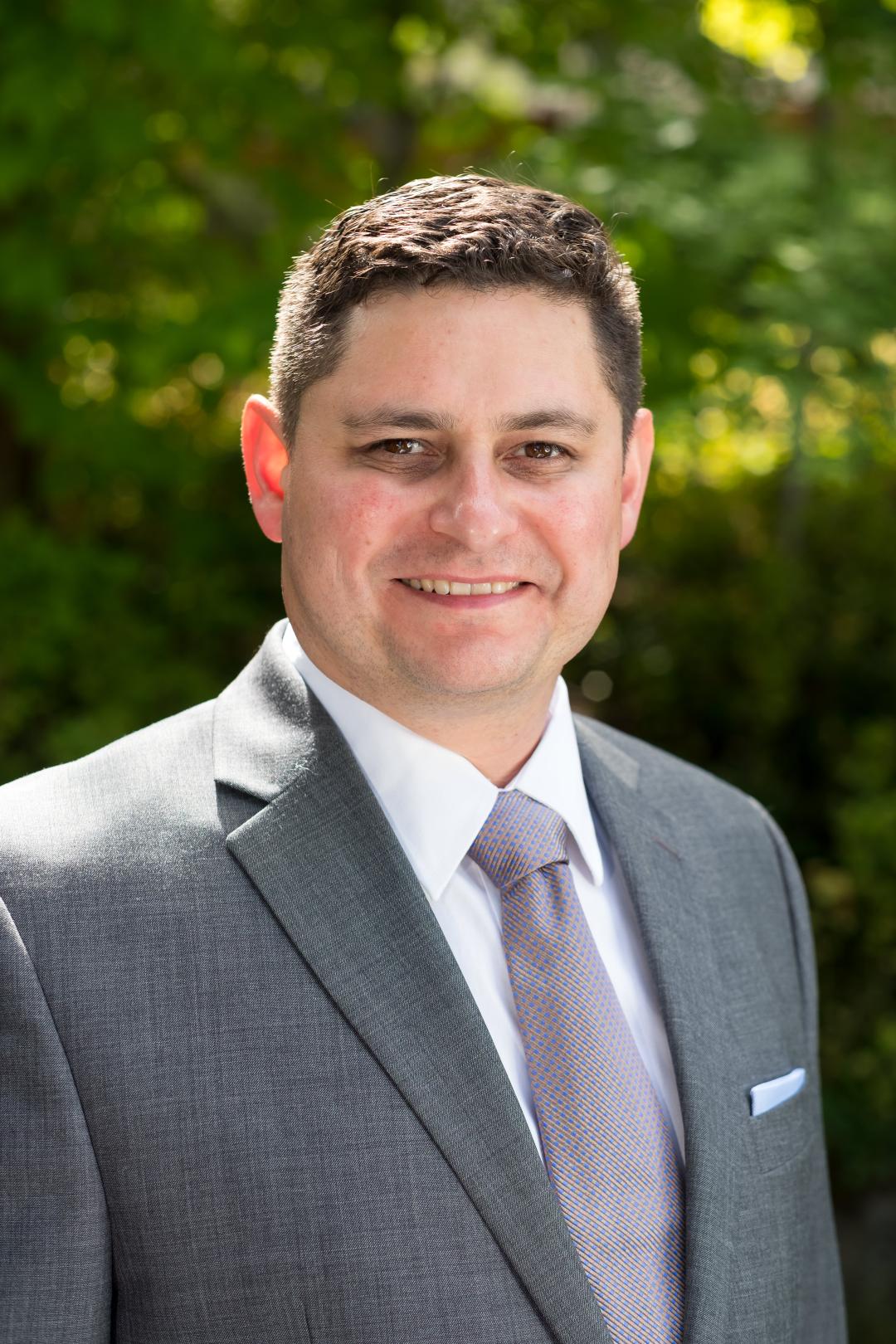
Welcome back, Dr. Dan Liefwalker! His lab investigates how MYC-driven cancers evade cell death and develops strategies to restore apoptosis through metabolic, epigenetic, and systems-level approaches.
We are excited to welcome Assistant Professor Dan Liefwalker back to OSU. He received a Ph.D. in the Department of Environmental and Molecular Toxicology from OSU and completed a postdoctoral scholar position at Stanford School of Medicine before becoming a faculty member at Oregon Health and Science University. He brings expertise in the area of oncogene biology, particularly focusing on c-MYC (MYC). MYC is a master transcription factor known to regulate a significant portion of the genome and is implicated in many cancers.
Overexpression of MYC in normal cells results in cell death (apoptosis). The Liefwalker lab investigates how MYC helps cancers evade apoptosis and seeks to develop therapies to restore cell death specifically in MYC-dependent cancers.
The lab's research focuses on three main areas: metabolic reprogramming, epigenetic rewiring, and complex systems. In metabolic reprogramming, they study how certain fats (lipids) help cancer cells grow, especially in blood cancers driven by MYC gene. They find that the export of citrate from the mitochondria is used to generate fatty acids that support MYC-dependent cancers. The Liefwalker lab also investigates the influence of MYC on enzymes that regulate the accessibility of the genome. Viewing cancer as a complex system, the lab aims to understand the complexity and identify hidden interactions to that could serve as novel therapeutic targets
His latest project focuses on understanding how KDM5B, an enzyme that modifies DNA, acts as a tumor suppressor. KDM5B helps prevent cancer by repressing certain genes and promoting cell death. However, in blood cancers, MYC restricts KDM5B's activity. His group is currently exploring how restoring KDM5B activity in cancer could serve as a potential treatment.
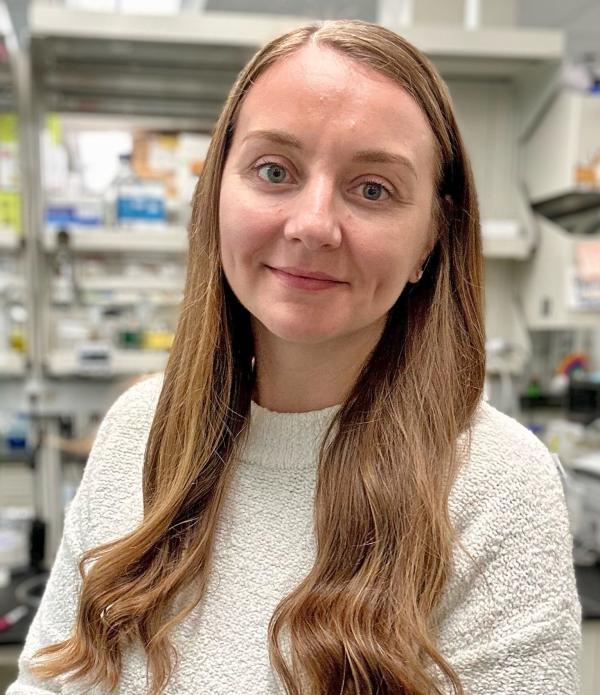
Meet Dr. Maria Purice, our new Assistant Professor in BB and the Linus Pauling Institute. Her lab explores how glial cells communicate with neurons—and how these interactions shape brain health and aging.
Dr. Maria Purice is a new Assistant Professor in BB with a joint appointment in the Linus Pauling Institute at OSU. Her research focuses on how different brain cells talk to each other. Specifically, Purice studies glia, brain cells that make up more than half of our brains, but whose functions are still largely mysterious. Her work aims to understand how glia interact with neurons, and how these interactions change as we age. Understanding these changes could unlock new ways to promote healthy aging and prevent age-related brain disorders.
Purice's interest in glial biology took root during her Ph.D. studies at Oregon Health & Science University, where she investigated glial innate immune responses to nerve injury. She continued her research as a postdoctoral fellow at St. Jude Children’s Hospital and Fred Hutch Cancer Center. Purice uses a tiny worm called C. elegans in her research. These worms have simple nervous systems, short lifespans, and are easy to study, making them a great genetic tool for understanding basic brain functions. The Purice lab employs various molecular biology tools including CRISPR-Cas9 to edit the worm genome, high-throughput screens, and confocal and live-cell imaging.
One of Purice's major recent accomplishments is creating a detailed map of all the different types of glia in C. elegans. This map, called an "atlas," uses advanced technology called single nuclei RNA sequencing (snRNA-seq) to identify the unique molecular signatures of different glial cells.
The atlas revealed 32 distinct gene expression profiles in C. elegans glia, with some specific to males, some to hermaphrodites (having both male and female reproductive organs), and some shared by both. The research team was able to identify unique markers for different types of glia and validated these in vivo using transcriptional reporters. The atlas also showed that even within the same type of glia, there can be differences between males and hermaphrodites. Purice's team discovered that glia use a different method than neurons to release important signaling molecules called neuropeptides. At OSU, she plans to continue exploring questions about glia, collaborate with other researchers, and train the next generation of scientists.
Related Stories
Across the Department

Teaching Innovation


